

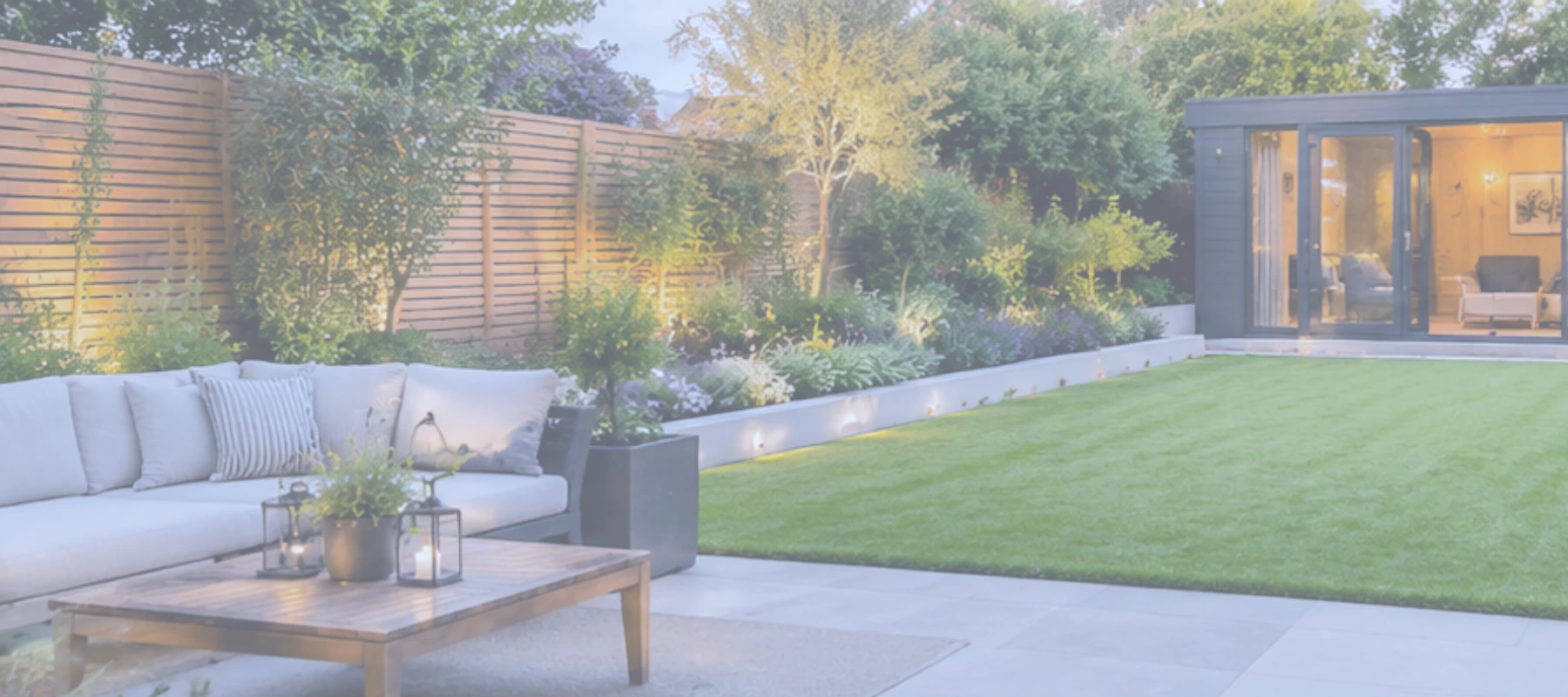
A fence does a lot of quiet work. It marks your boundary and keeps children and pets safe, while giving planting a backdrop to grow against. When a fence leans or blows down in a storm, it suddenly becomes urgent. Most failures come down to posts that were too shallow or the wrong choice for an exposed spot.
This guide covers fence styles and post choices, along with the rules worth knowing before you replace a boundary. Our own team installs fencing across Redditch and the surrounding towns, and every job starts with a free site visit.
Choosing a fence style
Style affects privacy as well as how well a fence copes with wind. These are the options we are asked about most.
| Style | Privacy | In strong wind | Look |
|---|---|---|---|
| Closeboard | Full | Very strong when built on solid posts | Traditional vertical boards |
| Lap panels | Full | Fair, panels can suffer in exposed spots | Overlapping horizontal slats, budget friendly |
| Slatted or contemporary | Good, with small gaps | Good, wind passes through the gaps | Modern horizontal boards |
| Hit and miss | Good from most angles | Very good, boards alternate sides | Looks smart from both sides |
| Picket | Low | Excellent | Classic front garden boundary |
| Composite | Full | Good with the right post system | Consistent colour, no painting needed |
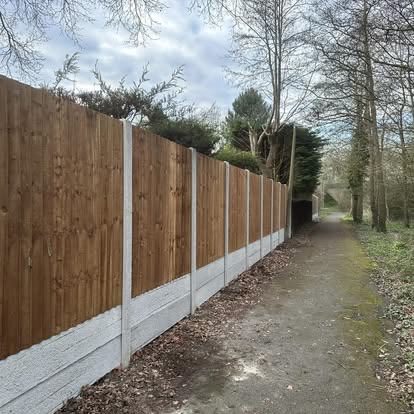
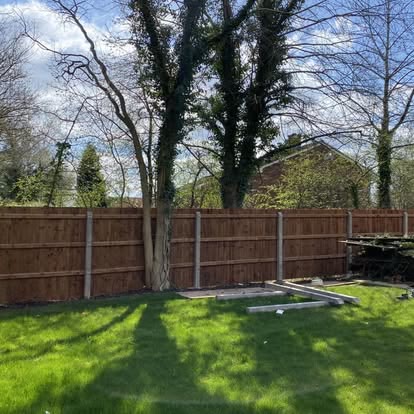
Closeboard, sometimes called featheredge, is built in place from individual boards nailed to horizontal rails. It costs more than panels but is far stronger, which makes it the go to choice for exposed gardens. Slatted and hit and miss designs suit modern homes and let wind through, reducing the load on the posts.
Posts: timber or concrete
Posts carry the whole fence. Choosing the right type, and setting them properly, matters more than any other part of the job.
| Feature | Timber posts | Concrete posts |
|---|---|---|
| Look | Natural, blends with timber fencing | More industrial, though less visible once planted around |
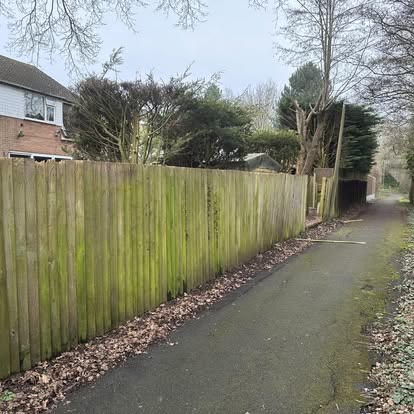
| Rot | Can rot at ground level over time | Will not rot |
| Panel replacement | Panels are fixed to the posts | Panels slot in and out easily |
| Best for | Closeboard fencing and decorative styles | Panel fencing in exposed or damp ground |
Timber posts should be pressure treated to the grade intended for ground contact, sometimes labelled UC4. As a rule of thumb, around a quarter of a post's length should sit below ground, so a 1.8m fence typically uses 2.4m posts set about 600mm deep in concrete.
Gravel boards
A gravel board runs along the bottom of the fence, keeping panels and boards off damp soil. Concrete gravel boards last longest. They also help on sloping ground, where the fence steps down in stages and the boards fill the gaps underneath.
Choosing the right height
Height changes how a garden feels as much as the style does. Too low and you feel overlooked. Too high and a small garden can start to feel boxed in.
| Height | Typical use |
|---|---|
| Around 0.9m to 1m | Front gardens and boundaries beside a road |
| Around 1.2m | Dividing areas within a garden, or containing small dogs |
| Around 1.5m | Some privacy while keeping a more open feel |
| Around 1.8m | Full privacy for most back gardens |
| 1.8m plus trellis | Extra screening, with climbers softening the top |
Front garden boundaries
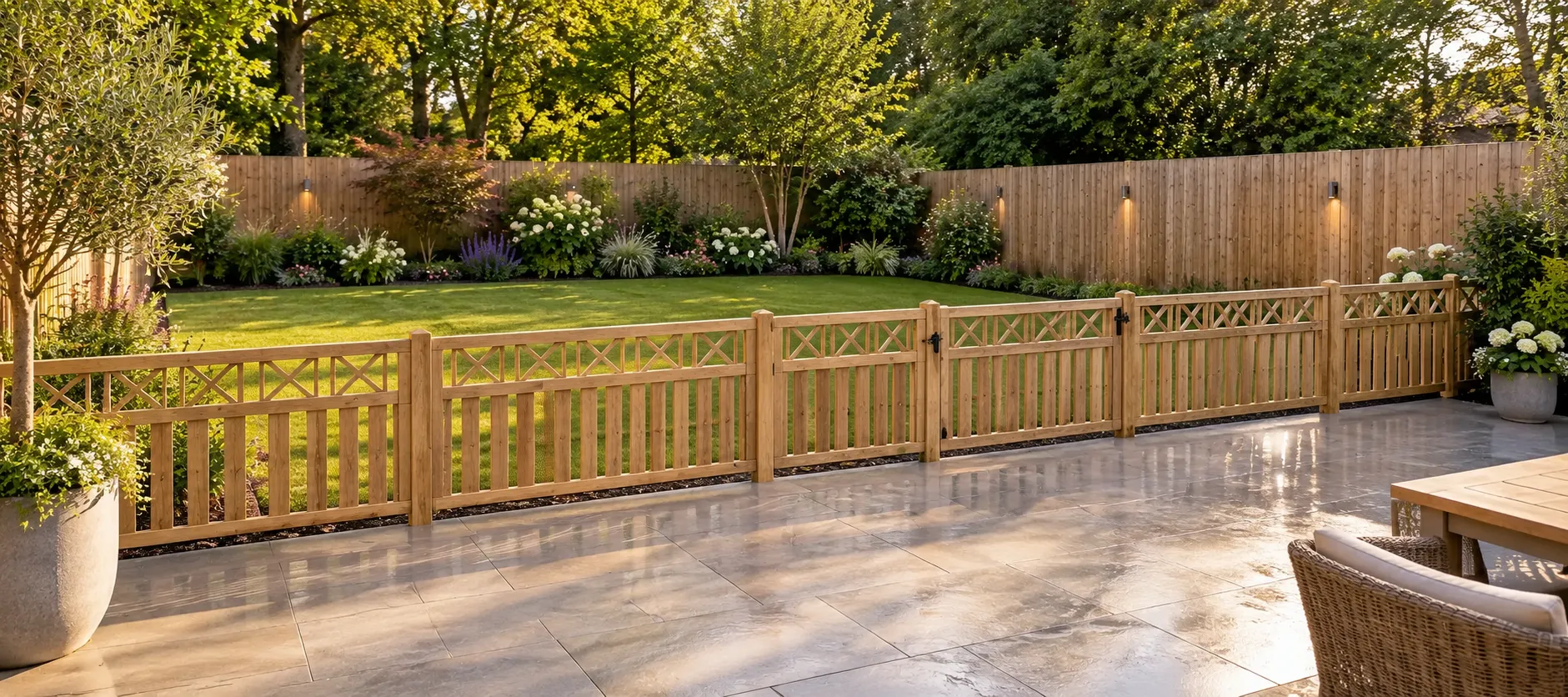
Front gardens follow different rules and serve a different purpose. Next to a road, fences above 1m normally need planning permission, so most front boundaries stay low. Picket fencing or a short wall with planting behind it gives a defined edge without hiding the house. They also leave clear sight lines when you reverse out of a driveway, which matters on busy roads.
How we install a fence
- Free site visit. We measure the boundary, look at the ground and talk through styles and heights with you.
- Removal. Old panels and concrete footings are taken out and cleared away.
- Setting out. A string line marks the run, and post positions are measured to suit the panel or bay width.
- Posts. Holes are dug to depth, and posts are set plumb in concrete.
- Gravel boards and panels. Boards go in first, followed by panels or rails and featheredge boards.
- Finishing. Post caps are fitted, gates hung and any final adjustments made.
Planning rules and boundaries
Most garden fences can go up without planning permission, within limits. In England, a fence up to 2m high is normally allowed. Next to a road used by vehicles, or the footpath beside one, the limit drops to 1m. Listed buildings and some conservation areas have extra controls, so it is worth checking with your local council if either applies. The Planning Portal sets out the height limits for fences, gates and garden walls in full.
Before replacing a boundary fence, check your property deeds or title plan. They often show which boundaries belong to you, sometimes with a T mark on the relevant side. If a fence is shared, talking to your neighbour first avoids misunderstandings.
There is no legal rule about which way a fence must face. By long standing convention, the smoother side faces your neighbour, with posts and rails on your side.
Fencing for local conditions
Exposed and windy sites
Homes high on the ridge in Astwood Bank, and open rural plots around Inkberrow, take the full force of westerly storms. Solid panels act like sails in those conditions. Closeboard on strong posts, or a slatted design that lets some wind through, stands up far better.
Clay soil and posts
Heavy clay across Redditch expands when wet and shrinks in dry summers. That movement can loosen shallow posts over time. Setting posts deep in concrete, with the top of the concrete shaped so water runs away from the timber, gives them a much longer life.
Period properties
Around the historic centre of Alcester and in similar conservation settings, traditional styles such as closeboard or picket fencing usually suit older homes better than modern slatted designs.
Fencing on sloping ground
On a slope, fencing can either step down in level sections or follow the gradient. Stepped panels keep each bay square and look tidy, with gravel boards filling the triangles underneath. Closeboard can be built to follow the ground more closely, which suits gentle, even slopes. Gardens around Webheath and Headless Cross often need one approach on the steep side and another on the flatter run.
Wildlife friendly fencing
Solid fences can cut hedgehogs off from the gardens they rely on. A small gap at the base, around 13cm square, lets them travel between gardens while stopping most pets. These gaps are easy to add during installation and make a real difference to local wildlife. If neighbours on both sides add one, hedgehogs can move freely along a whole row of gardens, which helps them find food and mates across a much wider area.
Gates and finishing touches
- Side gates to match your fence, with secure bolts and latches
- Trellis toppers to add height and support climbing plants
- Post caps to keep rain out of the end grain
- Stain or paint in a colour that suits your garden
New fencing often sets off a wider garden project. Our garden landscaping team can plan planting against the new boundary, and an artificial lawn gives a neat finish alongside it. For privacy around a seating area, take a look at our outdoor living areas page.
Looking after your fence
- Treat timber fencing every couple of years to protect it from the weather
- Keep soil and plants from piling up against the bottom of panels
- Cut back climbers that get heavy, since they add load in the wind
- Check posts after storms and deal with any movement early
- Oil gate hinges and latches once a year
Signs your fence needs replacing
- Posts that wobble or lean, especially after windy weather
- Soft or crumbling timber at ground level
- Panels that split or have blown out more than once
- Gates that no longer close properly because posts have moved
Replacing individual panels on rotten posts rarely lasts long. If the posts are failing, it is usually better to replace the run properly.
Comparing fencing quotes
Two fencing quotes for the same length of garden can describe very different fences. Asking these questions makes them easier to compare:
- Are the posts timber or concrete, and how deep will they be set?
- Is the fence closeboard built in place, or ready made panels?
- Are gravel boards included, and are they timber or concrete?
- Does the price include removing the old fence and footings?
- Who will carry out the installation?
Other work we can include
- Removal and disposal of old fencing
- Low retaining walls along sloping boundaries
- Garden clearance before new fencing goes in
- Planting borders along the new fence line
Why choose Pristine Groundworks
We are a family run business based on Greenlands Ave in Redditch, with a combined 40 years of hands on experience in the industry. Our own team installs every fence we put up.
- Free site visits with honest advice on styles and posts
- Posts set deep in concrete to cope with clay and wind
- Neat, level runs that follow the shape of your garden
- No subcontractors on your job
Fencing FAQs
How high can a garden fence be without planning permission?
Up to 2m in most back gardens in England. Next to a road used by vehicles, or the footpath alongside it, the limit is 1m. Listed buildings and some conservation areas have extra rules.
Are concrete posts better than timber?
Concrete posts will not rot and make panel replacement easy, which suits exposed or damp gardens. Timber posts look more natural and suit closeboard fencing. Both last well when set properly.
How deep should fence posts go?
Roughly a quarter of the post's length. For a typical 1.8m fence, that means about 600mm of a 2.4m post set into concrete.
Which fence is best for a windy garden?
Closeboard on strong posts, or a slatted or hit and miss design that lets some wind pass through. Lightweight lap panels tend to struggle in exposed spots.
Which side of the fence should face my neighbour?
There is no legal rule, but convention is that the smoother side faces your neighbour, with posts and rails on your side.
How do I know which fence is mine?
Your deeds or title plan often show boundary ownership, sometimes with a T mark. If it is unclear, it is worth speaking to your neighbour before replacing a shared fence.
Can you add a gap for hedgehogs?
Yes. A gap of around 13cm square at the base of the fence lets hedgehogs pass between gardens, and it is simple to include during installation.
Do you remove the old fence?
Yes. We take down and clear away the old fence, including its concrete footings, as part of the job.
Is the work done by your own team?
Yes. Our own team installs every fence, with no subcontractors.
Book a free site visit
If your fence is leaning or rotten, we can come and take a look. We will check the ground and the exposure of your garden, then recommend a style that will last. Call 07368 623683 or request your free site visit.