

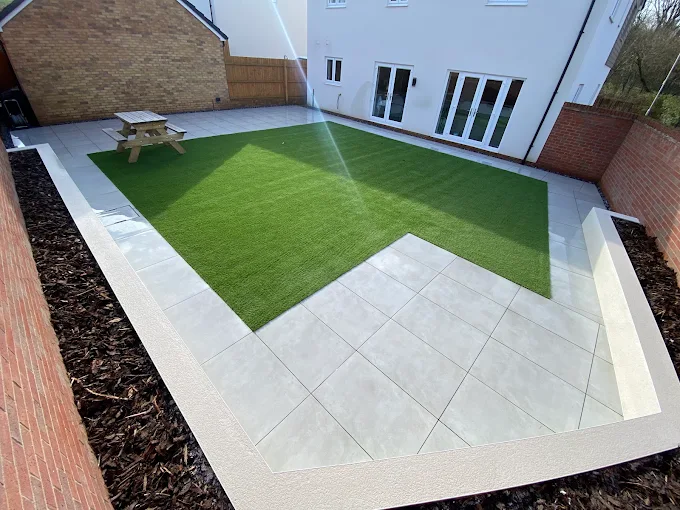
Artificial grass has come a long way from the shiny green carpet of years gone by. Good quality turf now has varied blade colours and a soft feel that looks convincing from the back door. Even so, the grass itself is only half the story. What sits beneath it decides whether your lawn stays flat and drains properly, or starts to ripple and smell within a year.
This guide explains how artificial turf is installed and which features matter when choosing a product. It also covers simple care that keeps it looking good. Our own team lays artificial grass across Redditch and the surrounding towns, and we start each project with a free site visit.
Is artificial grass right for your garden?
Artificial turf suits some gardens brilliantly and others less so. Being honest about the trade offs helps you decide.
| Consideration | Real turf | Artificial grass |
|---|---|---|
| Weekly upkeep | Mowing and feeding | Occasional brushing and rinsing |
| Shade and heavy use | Can thin out and go muddy | Stays green and even |
| Wildlife | Supports insects and soil life | Very little benefit to wildlife |
| Hot sunny days | Stays cool underfoot | Can become warm in direct sun |
| Muddy paws and feet | Common in wet weather | Rarely a problem |
Dog owners tend to get the most from artificial grass, along with gardens where the lawn sits in permanent shade. Keen gardeners who value wildlife often prefer real turf, and some gardens use both in different areas.
A mixed approach
You do not have to choose one or the other for the whole garden. Plenty of homeowners lay artificial grass in the busy area near the house, where children play and the dog runs back and forth, and keep real grass further down the garden. A wildflower strip or planted border alongside the artificial lawn brings back some of the life that synthetic turf cannot offer. Splitting the garden this way gives you a clean, usable space by the back door without losing all of the natural feel.
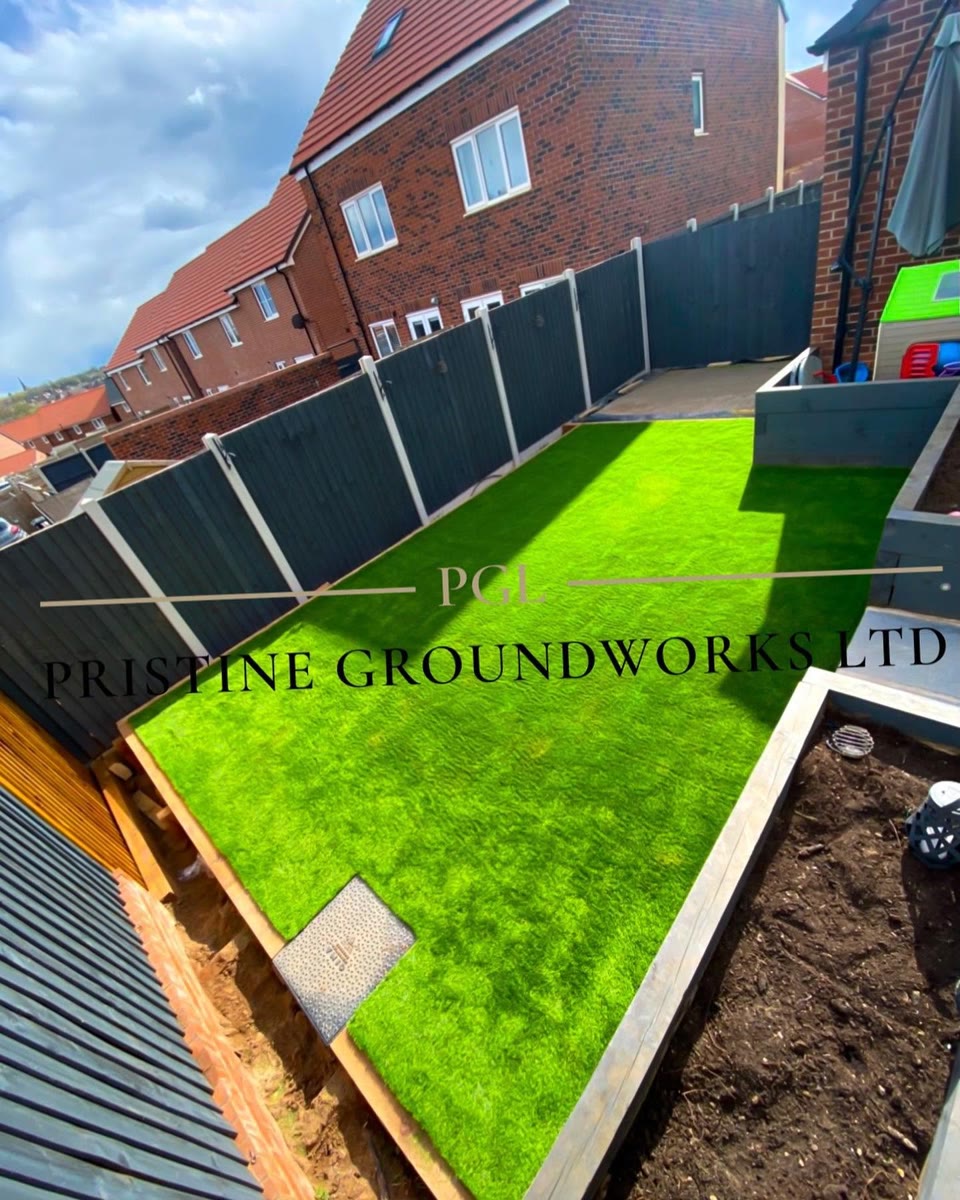
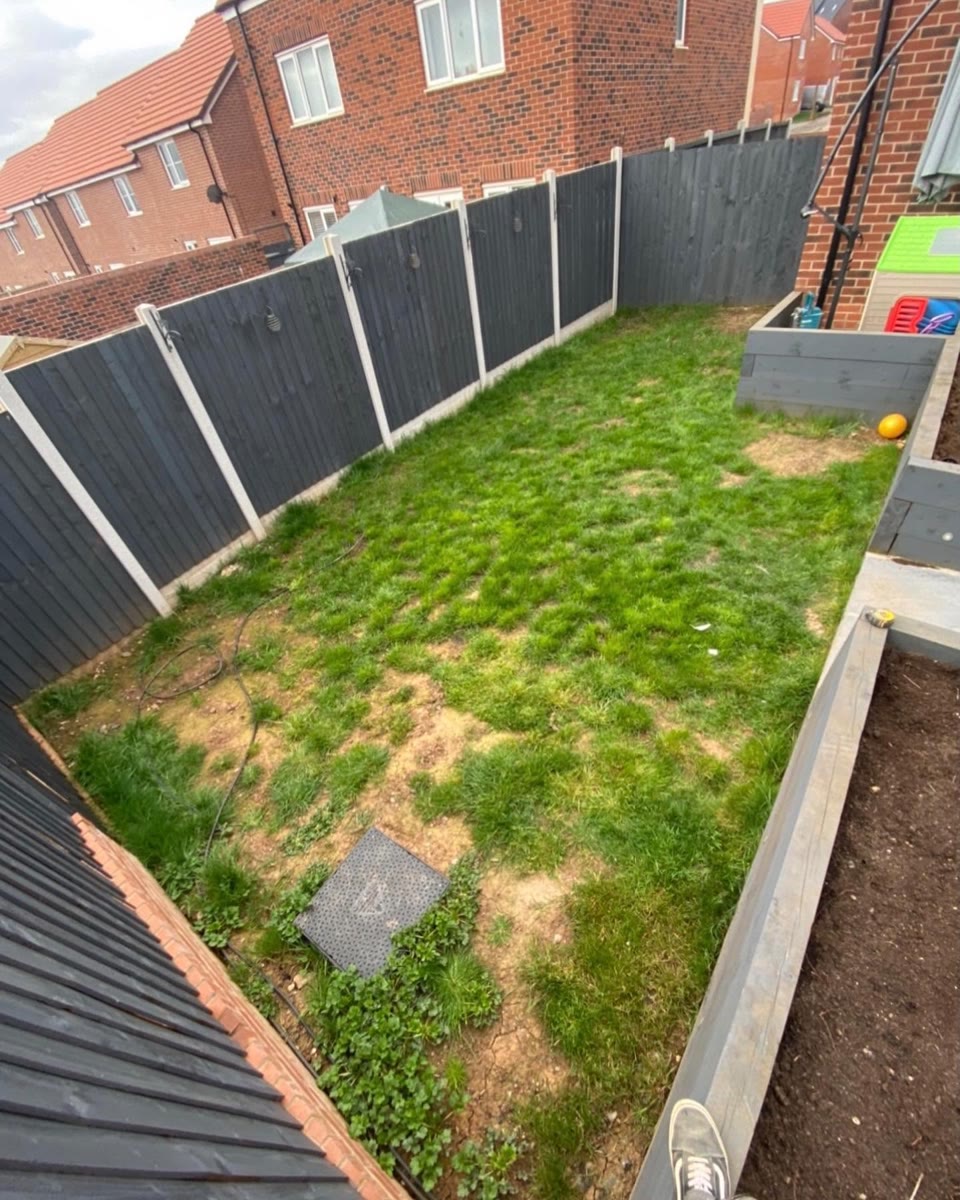
How artificial turf should be installed
Every project begins with a free site visit, where we measure up and check drainage and levels. A well laid artificial lawn then follows these stages.
- Remove the old lawn. Existing turf and the top layer of soil are dug out, typically to around 75 to 100mm.
- Fit edging. Timber or steel edging is fixed around the perimeter to hold the base and give a crisp line.
- Lay the sub base. Crushed stone is spread and compacted to form a firm, free draining layer.
- Add a laying course. A finer layer, often granite dust or sharp sand, is levelled and compacted to give a smooth finish.
- Install a weed membrane. A permeable membrane stops weeds growing up through the base.
- Roll out and join. Turf is laid with the pile running the same way, joined with tape and adhesive, then trimmed to the edges.
- Brush and infill. The pile is brushed up, and kiln dried sand can be added to weigh the turf down and keep the blades upright.
Why the base matters so much
Laying artificial grass straight onto soil is a common shortcut. Soil moves and holds water, so the turf soon develops bumps and soggy patches. A compacted stone base drains freely and stays level for years. On heavy clay, which covers much of Redditch, we sometimes add extra drainage so water has somewhere to go after heavy rain.
Choosing the right artificial grass
Product descriptions can be confusing. These are the features that make a real difference.
| Pile height | Feel and look | Best suited to |
|---|---|---|
| Around 20 to 25mm | Short, neat and hard wearing | Play areas and dog runs |
| Around 30mm | Natural, freshly mown look | Most family gardens |
| Around 35 to 40mm | Lush and soft underfoot | Show lawns with lighter use |
- Blade colour mix. A blend of greens with some brown thatch looks far more natural than a single bright shade.
- Pile density. Denser turf feels softer and springs back better after being walked on.
- Drainage. Look for a backing with plenty of drainage holes, or a fully permeable backing for pet areas.
- Blade shape. Some blades are shaped to resist flattening, which helps in busy gardens.
Artificial grass for dogs
Pet owners are among the happiest artificial grass customers, because muddy paws largely disappear. A few details keep a dog friendly lawn fresh:
- Choose turf with good drainage, ideally a fully permeable backing
- Make sure the base drains well, especially on clay soil
- Pick up solids promptly and rinse the area regularly
- Use a pet safe enzyme cleaner if odours build up in warm weather
- Consider skipping sand infill in dog areas, or using an antibacterial infill
Drainage is the key to avoiding smells. On clay, urine can sit in the soil if water has nowhere to go, which is why the base build is so important for dog owners.
Artificial turf in local gardens
Many Redditch gardens face north or sit in the shadow of neighbouring houses and fences, which makes real grass hard to grow. Artificial turf solves that problem neatly. Busy family homes in places like Wythall often choose it for children's play areas, while compact new build gardens in Bromsgrove benefit from a lawn that looks tidy without a mower taking up shed space.
Clay soil appears again and again across north Worcestershire. It holds rainwater, so a free draining stone base, and sometimes a soakaway, makes a noticeable difference to how quickly an artificial lawn dries after rain.
Edging and borders
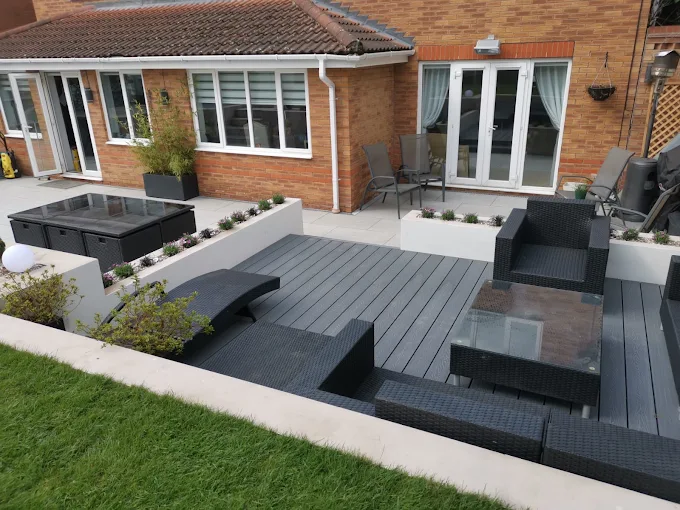
Edging holds an artificial lawn in shape and gives it a finished look. Treated timber suits informal gardens, while steel or a row of paving gives a crisp line against modern patios. A mowing strip of slabs between the turf and a planted border also stops soil from spilling onto the grass when beds are watered.
Laying artificial grass on other surfaces
Artificial turf can also go over concrete or paving, which suits balconies and tired patios. In these cases a foam underlay is usually added to soften the feel, and drainage holes or gaps are needed so water does not sit underneath. A sound, level surface is essential, since every crack and bump will show through.
Looking after artificial turf
Artificial grass is low maintenance, though not completely maintenance free. A few simple habits keep it looking its best.
- Brush against the direction of the pile every few weeks to keep blades upright
- Clear leaves with a leaf blower or plastic rake before they rot down
- Rinse with a hose occasionally, especially in pet areas
- Keep barbecues and fire pits well away, since heat can melt the fibres
- Watch for strong reflections from windows, which can concentrate sunlight and mark the turf
Common problems with artificial lawns
When we are asked to replace an artificial lawn that is only a few years old, the cause is nearly always underneath. These are the faults we see most often.
| What you notice | Usual cause |
|---|---|
| Ripples and bumps | Turf laid on soil or an uncompacted base |
| Puddles after rain | Base that cannot drain, often on clay |
| Visible seams | Pile running in different directions, or poor joining |
| Edges lifting | No firm edging fixed around the perimeter |
| Lingering smells in pet areas | Poor drainage holding urine in the base |
Play areas and climbing frames
Artificial grass makes a clean, mud free surface for children's play. Under swings and climbing frames, a shock absorbing foam pad can be laid beneath the turf to cushion falls. Pads come in different thicknesses depending on the height of the equipment, so it helps to know what you plan to install before the lawn goes down.
Comparing artificial grass quotes
Quotes can vary widely, and the turf itself is only part of the price. These questions reveal what is actually being offered:
- How deep will the stone base be, and will it be compacted?
- What edging will hold the lawn in place?
- Is a weed membrane included, and where does it go?
- How will the joins be made between rolls?
- Who will carry out the installation?
Combining turf with other features
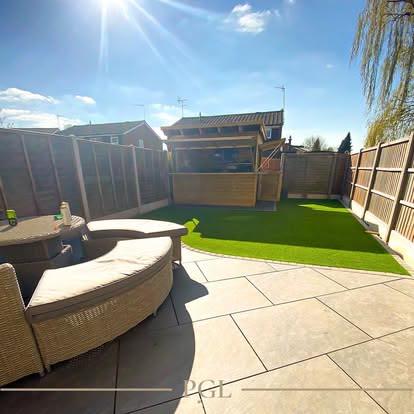
Artificial grass often forms part of a wider garden makeover. A neat patio beside the lawn gives a clean edge and a place for furniture. Raised beds and borders add colour, and our garden landscaping service can plan the whole space. For a full outdoor room, take a look at our outdoor living areas page. A resin bound path through the lawn keeps feet dry and sits neatly beside artificial grass.
Other work we can include
- Removal of old lawns and garden clearance
- Timber sleeper edging and raised beds
- Drainage improvements for waterlogged gardens
- Real turf for areas where you would still like natural grass
Why choose Pristine Groundworks
We are a family run business based on Greenlands Ave in Redditch, with a combined 40 years of hands on experience in the industry. Our own team lays every artificial lawn from start to finish.
- Free site visits with honest advice on whether artificial grass suits your garden
- Compacted, free draining bases built for local clay soil
- Careful joins and neat edges so the lawn looks natural
- No subcontractors on your project
Artificial turf FAQs
Can artificial grass be laid straight onto soil?
It can, but it rarely lasts. Soil moves and holds water, so the turf soon becomes bumpy and soggy. A compacted stone base gives a flat, free draining finish that stays put.
Is artificial grass good for dogs?
Yes, as long as drainage is good. A turf with a permeable backing over a free draining base stays fresh, especially when the area is rinsed regularly.
Does artificial turf get hot?
It can feel warm in strong direct sun. Lighter coloured turf and some shade help, and a quick spray with a hose cools it down on very hot days.
Will weeds grow through artificial grass?
Very few, thanks to the weed membrane under the turf. Occasional weeds can root in debris on top, which is easy to brush away.
Can artificial grass go on concrete?
Yes, on a sound and level surface. A foam underlay softens the feel, and the surface must drain so water does not collect beneath the turf.
Does artificial grass need sand infill?
Not always. Sand adds weight and keeps blades upright, though many modern turfs work well without it. In dog areas, some owners prefer no infill or an antibacterial alternative.
What pile height should I choose?
Around 30mm suits most family gardens, giving a natural look that wears well. Shorter piles suit play and pet areas, while longer piles feel lusher on lightly used lawns.
Can windows damage artificial grass?
Strong reflections from some windows can concentrate sunlight and mark the fibres. It is uncommon, but worth considering when planning where turf will go.
Do you use your own installers?
Yes. Our own team installs every artificial lawn, with no subcontractors.
Book a free site visit
If your lawn is muddy or simply too much work, artificial grass could be the answer. We will check your ground and drainage, then talk through products that suit how you use the garden. Call 07368 623683 or request your free site visit.